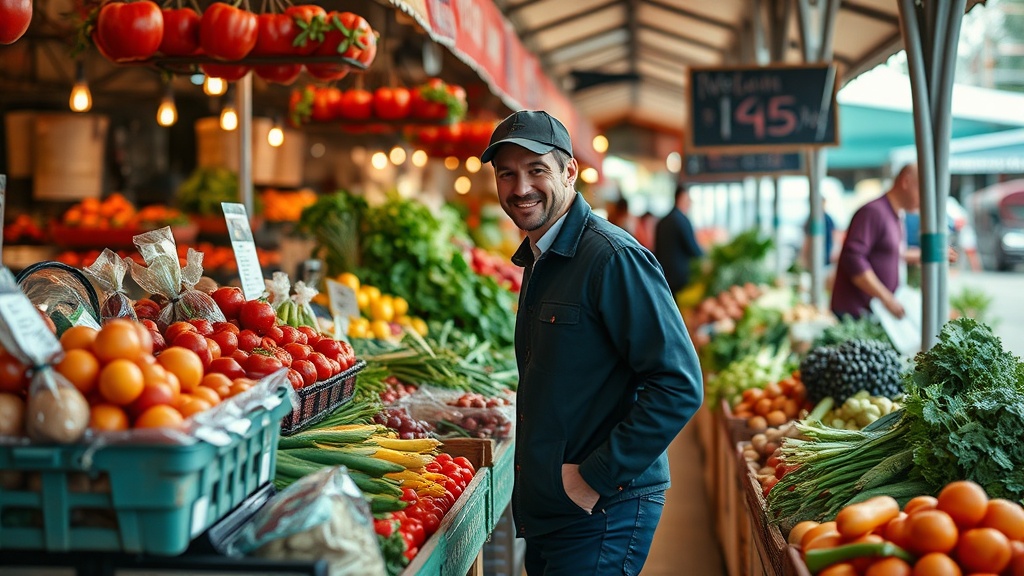
Finding the Best Local Produce at the Chateauguay Markets

A shopper stands in a grocery aisle, staring at a carton of strawberries that arrived from halfway across the world, looking pale and tasteless despite the bright red packaging. They want something that actually tastes like summer, but they aren't sure where to go once they leave the supermarket. This guide covers exactly how to find, select, and shop for the best seasonal produce at the various markets around Chateauguay and the surrounding South Shore. Knowing where to look and when to show up makes a massive difference in the quality of your weekly meals.
Chateauguay isn't just a bedroom community; it's a gateway to some of the best agricultural land in the Montérégie region. When you shop locally, you aren't just getting better flavor—you're ensuring your money stays within the Quebec economy. It's a simple way to support our neighbors.
Where are the best farmers' markets near Chateauguay?
The most reliable way to find fresh produce is to visit the seasonal markets in downtown Chateauguay and the nearby towns like Beauharnois or Saint-Isidore. While we don't have a massive permanent indoor market like Montreal, our seasonal outdoor setups are top-tier during the warmer months.
The local scene changes drastically depending on the month. In the early spring, you'll find more processed goods like jams and syrups, while the peak of summer brings the heavy hitters: corn, tomatoes, and berries. You'll want to keep an eye on the Ministère de l'Agriculture, des Pêcheries et de l'Alimentation website for updates on agricultural seasons and any regional food safety announcements.
Here is a quick breakdown of what you can typically find at our local stops:
- Summer (July–August): Sweet corn, heirloom tomatoes, snap peas, strawberries, and fresh basil.
- Fall (September–October): Squash, pumpkins, apples, and root vegetables like carrots and beets.
- Late Spring (May–June): Green onions, radishes, and early leafy greens.
If you're looking for something specific, don't just assume it's there. A quick check on a local Facebook group or a vendor's specific page can save you a wasted trip. Most vendors are incredibly friendly—just ask them what's at its peak right now.
How much does local produce cost compared to supermarkets?
Local produce often carries a slightly higher price tag per unit than supermarket produce, but the value lies in the shelf life and flavor. While a bag of supermarket blueberries might be cheaper, they often arrive soft and moldy within two days. Local berries, picked at peak ripeness, can last much longer in your fridge because they haven't spent a week in a shipping container.
Think about it this way: you're paying for quality and proximity. You aren't paying for the massive logistics chain required to move fruit from South America to a shelf in Quebec. The catch? If you shop for "seconds" or "ugly" produce, you can find incredible deals.
| Produce Type | Supermarket Price (Avg) | Local Market Price (Avg) | The "Local" Advantage" |
|---|---|---|---|
| Strawberries | $4.99 / pint | $5.50 / pint | Much sweeter; lasts longer. |
| Sweet Corn | $1.00 / ear | $0.75 / ear | Actually tastes like corn. |
| Heirloom Tomatoes | $6.00 / lb | $4.50 / lb | Available only in season. |
Worth noting: Always carry small bills. While many vendors now accept Visa or Mastercard via mobile readers, some smaller stands still prefer cash for smaller transactions. It's a minor detail, but it prevents a lot of frustration at the checkout.
What is the best time to go to the market?
The best time to visit a local market is early in the morning, ideally right when they open, to secure the highest quality items and the best variety. If you wait until an hour before closing, you'll often find the "leftovers"—which can be a great way to snag a bargain, but you'll have much less choice.
If you're looking for the absolute best selection, aim for a Saturday morning. Most vendors stock up heavily for the weekend crowd. However, if you hate crowds and don't mind a slightly more limited selection, a weekday afternoon is much more relaxed. You won't have to fight for the last bunch of kale (though I've seen it happen).
Here is my suggested "Pro Shopping List" strategy:
- Arrive early: Get there by 9:00 AM if possible.
- Check the "Ugly" bins: Many vendors have a section for bruised or oddly shaped produce at a discount.
- Ask the vendor: "What was picked this morning?" is the best question you can ask.
- Bring your own bags: Most markets are moving away from single-use plastics, and it's better for the environment anyway.
Don't forget to check the weather. If it's a heavy rain day, many vendors might have reduced stock or might even cancel. It's a good idea to check the local weather report before heading out of the house.
Identifying Quality Produce
Knowing how to pick a good piece of fruit or a vegetable is a skill that takes practice. You can't just look at the color; you have to look at the texture and weight. For example, a heavy tomato usually means it's juicy and ripe, whereas a light one might be pithy or underdeveloped.
When buying leafy greens like spinach or lettuce, look for crispness. If the leaves are limp or have dark, slimy edges, leave them on the table. For root vegetables like potatoes or carrots, ensure they are firm to the touch. A soft potato is a dead giveaway that it's starting to rot from the inside.
It's also worth looking at the stems. For berries, a green stem usually indicates freshness, while a brown or dried-out stem means they've been sitting out too long. It sounds nitpicky—and it is—but it makes a huge difference in your final dish.
One more tip: Don't be afraid to smell things. A ripe peach or a fresh bunch of basil should have a distinct, pleasant aroma. If there's no scent, there's likely no flavor. It's a simple test that never fails.
Supporting the Local Economy
When you buy from a vendor in Chateauguay, you're doing more than just buying food. You're supporting a local business owner who lives in your community. That money stays in the region, helping to fund local schools, roads, and services. It's a cycle of support that keeps our towns vibrant.
Many of these farmers are multi-generational. They have a deep connection to the land and a history in our area. When you talk to them, you aren't just a customer; you're a part of that history. It's a much more human experience than scanning a barcode at a big-box retailer.
That said, don't feel guilty if you occasionally need the convenience of a supermarket. We all have busy weeks. But when you have the time, make the market your first stop. Your taste buds—and your community—will thank you.
If you're looking for specific recipes to use up your seasonal haul, I highly recommend checking out the CBC Food section for great, simple ideas that highlight fresh ingredients without overcomplicating things. A simple roasted vegetable dish or a fresh summer salad is often all you need to showcase what you've bought.
Keep an eye on the local community boards for any new pop-up markets or seasonal festivals. The food scene in the South Shore is constantly evolving, and there's always something new to discover if you're looking in the right places.
Steps
- 1
Check the Seasonal Calendar
- 2
Arrive Early for Best Selection
- 3
Bring Reusable Bags
- 4
Talk to the Farmers