Top Spots for Outdoor Photography in Chateauguay
Golden Hour at the Waterfront
Rustic Textures in the Local Woods
Architectural Details in Old Town
A photographer stands by the shoreline of the St. Lawrence, waiting for that split second where the light hits the water just right, only to realize the sun has already dipped behind a heavy cloud bank. It happens to the best of us. This post highlights the best locations around Chateauguay for capturing high-quality outdoor shots, focusing on light, composition, and timing.
Chateauquai isn't just a place for a Sunday stroll; it's a goldmine for anyone with a DSLR or even just a high-end smartphone. From the dramatic river views to the quiet, wooded paths, there's a lot to document if you know where to look. We're looking at specific spots that offer variety in texture, light, and subject matter.
Where can you find the best sunset shots in Chateauguay?
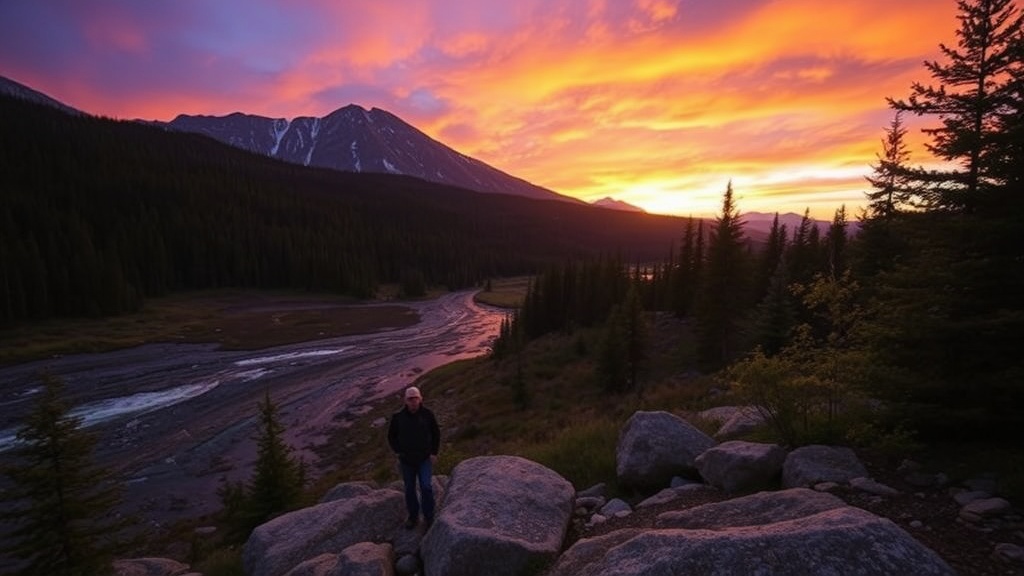
The waterfront near the Parc de la Baie offers the most consistent and dramatic sunsets in the region. When the sun begins its descent over the water, the colors shift from bright gold to deep violets—a sight that's hard to beat.
If you're looking for that perfect shot, you need to time your arrival about forty minutes before the actual sunset time. The light during the "golden hour" is much softer and more forgiving than the harsh midday sun. It's a bit of a trek if you're walking, but the results are worth it.
The view from the docks provides a sense of scale that's hard to replicate. You can capture the way the light reflects off the ripples in the water, or use the wooden textures of the pier to lead the eye toward the horizon. It's a classic composition technique that works every time.
- The Pier: Best for long exposures and water movement.
- The Shoreline: Great for capturing macro details like pebbles and sand.
- The Grasslands: Ideal for capturing wide-angle shots of the sky.
Don't forget to check the Environment Canada weather-forecasts before you head out. If there's a heavy cloud cover, you might miss the vibrant colors, but a bit of cloud can actually create some incredible textures in the sky.
What are the best spots for wildlife photography near the river?
The marshlands and riverbanks surrounding the local parks are the premier spots for capturing local fauna. You'll often see various bird species, and if you're quiet, you might even spot some small mammals moving through the brush.
Birdwatching isn't just for hobbyists; it's a serious pursuit for photographers wanting to capture the movement of wings. The birds found in the St. Lawrence River ecosystem are diverse and beautiful. You might see herons or even waterfowl passing through the area.
To get the best shots, I recommend bringing a telephoto lens—something like a 70-300mm or even a 100-400mm. You can't just walk up to a heron; it'll fly away before you even get your lens cap off. Patience is your best tool here. Also, keep an eye out for the way the light hits the feathers—it adds a level of detail that makes a photo pop.
It's also worth noting that the lighting in the wooded areas can be tricky. The shadows are deep, and the light is dappled. This is where your camera's ability to handle high contrast comes into play. If you're using a Nikon or a Canon, make sure your ISO is set appropriately to avoid graininess in those dark patches.
How much does it cost to access these photography spots?
Most of the prime outdoor photography locations in the Chateauguay area are completely free to access. You don't need to pay for a ticket or a permit to walk the public trails or the waterfront paths.
However, if you're looking to do a professional shoot that involves a large crew or commercial equipment, you should check the local municipal bylaws. Most of the time, for a hobbyist or a single person with a tripod, you're good to go. If you want to dive deeper into the local scenery, you might find peaceful green escapes that are perfect for a quiet session.
| Location | Primary Subject | Best Time to Visit | Difficulty Level |
|---|---|---|---|
| Waterfront/Pier | Sunsets/Water | Late Afternoon | Easy |
| Wooded Trails | Wildlife/Trees | Early Morning | Moderate |
| Marshlands | Birds/Reflections | Sunrise | Hard (requires patience) |
| Local Parks | Landscapes/Flora | Mid-day (High Sun) | Easy |
The cost of your "trip" is really just your gas and maybe a coffee afterward. Speaking of which, once you've finished your shoot, there are plenty of places to warm up. If you're feeling the chill after a morning shoot, check out some of the local coffee gems to thaw out.
The terrain can vary wildly. One minute you're on a flat, paved path, and the next you're navigating a muddy trail near the river. Wear boots that you don't mind getting a little dirty. It's a common mistake to show up in clean sneakers only to realize the ground is soft from last night's rain.
If you're shooting in the woods, the light is often "patchy." This means you get bright spots of sunlight through the trees and very dark shadows. It's a beautiful look, but it can be a nightmare for your camera's sensor if you're not careful. I usually suggest underexposing slightly to save the highlights, then bringing the shadows up in post-processing.
The texture of the bark on the older trees near the river is another great subject. If you use a macro lens, you can capture the moss and the way the light catches the rough edges. It's a great way to practice depth of field. A shallow depth of field makes the background blur out, making your subject stand out. It's a simple trick, but it works.
When the wind picks up, the water gets choppy. This can actually be a benefit if you're looking for a more "action" oriented shot of the waves. A long exposure can turn that choppy water into a smooth, misty surface. It's a different vibe entirely from the calm, glassy water you see at dawn.
The light is always changing. A spot that looks great at 2:00 PM might look completely different at 6:00 PM. This is why I always tell people to keep a few different lenses on hand. You never know if you'll need a wide-angle for a big sky shot or a zoom for a bird in a tree. It's better to be prepared than to go home wishing you had a different lens.
One thing to keep in mind: respect the local environment. If you're out in the marshes, stay on the designated paths. We want to keep these areas pristine for everyone. It's easy to accidentally trample some sensitive vegetation if you're chasing the perfect angle. A little awareness goes a long way.
The local community is actually quite welcoming to photographers. You'll often see people out with their gear, and there's a shared respect for the quiet beauty of the area. If you see someone else out shooting, don't be afraid to strike up a conversation—though, if they're in the middle of a long exposure, maybe wait a minute.
The weather in Quebec can be unpredictable. One minute it's clear, and the next, a fog rolls in from the river. While that might ruin a sunset shot, it can actually be a gift for a landscape photographer. Fog adds a layer of mystery and can make your photos feel much more atmospheric and moody.
If you're just starting out, don't get too caught up in the gear. The best camera is the one you have with you. Whether it's an iPhone or a high-end Canon, the principles of light and composition remain the same. Focus on the subject and the way the light interacts with it. That's where the real magic happens.