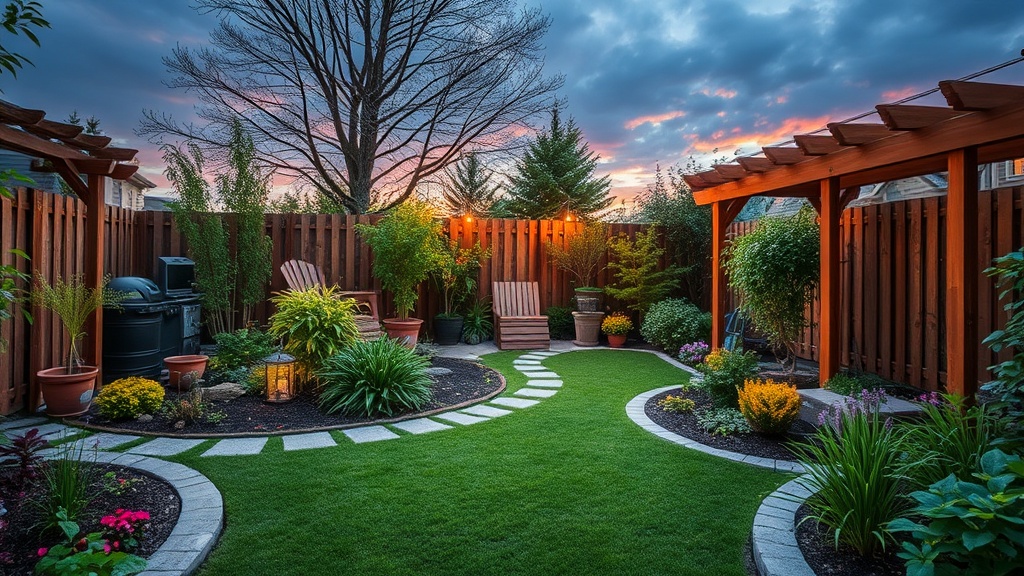
Create Your Own Backyard Garden Oasis in Chateauguay

The sun hits the dew on a patch of creeping thyme, and the smell of damp earth rises from a freshly mulched bed. This is the feeling of a successful garden in the South Shore. Creating a backyard oasis in Chateauguay means working with our specific humidity, our heavy clay soils, and our short, intense growing seasons. Whether you have a massive lot near the river or just a small patio space, you can turn your outdoor area into a personal sanctuary. This guide breaks down how to plan, plant, and maintain a garden that actually thrives in our local climate.
What is the best time to start gardening in Chateauguay?
The best time to start your garden is in mid-May, once the danger of the last frost has passed and the soil temperature has risen. In the Montérégie region, we often see a final frost dip in early May, so don't rush your tomatoes out too early. You want to wait until the ground is workable and doesn't feel like a cold sponge when you step on it.
If you're looking to get a head start, many local residents begin their indoor seed starting in late March or early April. Using a simple heat mat and a grow light setup can give your seedlings a massive advantage. It’s a bit of a science, but watching those first green shoots break through the soil is worth the effort.
For those who prefer buying established plants, local nurseries usually have their best stock ready by late May. This is a great way to skip the finicky seedling stage. If you're feeling adventurous, you can even start with "starts" or "transplants" from a garden center to save time.
Seasonal Timeline for Local Gardeners
- Late March/April: Start seeds indoors (Basil, Peppers, Marigolds).
- May: Prepare soil, add compost, and plant cold-hardy crops (Peas, Spinach, Lettuce).
- June: Transplant warm-weather vegetables (Tomatoes, Cucumbers, Zucchini).
- July/August: Consistent watering and monitoring for pests.
- September: Harvest remaining crops and plant garlic for next year.
How much does a backyard garden cost to set up?
A basic vegetable garden can cost anywhere from $150 to $500 depending on whether you buy seeds or mature plants. Most of your budget will go toward soil amendments, high-quality compost, and basic tools. If you are building raised beds, the cost of cedar or galvanized steel will be your biggest upfront expense.
You can save a lot of money by being smart about where you shop. Instead of buying everything at a big-box store, check out local community resources or even neighbors. Many people in our area have more seedlings than they can handle by June. It's a great way to get free plants! You might even find someone giving away extra compost or organic matter.
Here is a rough breakdown of typical startup costs for a small-to-medium garden bed:
| Item | Estimated Cost (Low) | Estimated Cost (High) |
|---|---|---|
| Soil & Compost | $50 | $150 |
| Seeds/Transplants | $30 | $100 |
| Basic Tools (Trowel, Hose) | $40 | $120 |
| Raised Bed Materials | $80 | $300 |
It’s a smart move to invest in a good quality hose and a sturdy pair of pruning shears early on. You don't want to be running to the store in the middle of a heatwave because your equipment broke. A little bit of prep work goes a long way in preventing frustration.
Which plants grow best in the Chateauguay climate?
Vegetables like tomatoes, zucchini, cucumbers, and bush beans thrive in our warm, humid summers. Because we have a relatively long growing season once the heat settles in, you can grow a wide variety of crops. However, you must be mindful of the humidity, which can sometimes lead to fungal issues if air circulation is poor.
Perennials are also a fantastic way to build a permanent oasis. Plants like hostas, peonies, and hydrangeas love the soil conditions we have here. If you want a more "wild" look, consider planting native species. This helps support local pollinators like bees and butterflies—which, honestly, makes the garden feel much more alive.
If you want to dive deeper into the science of soil and plant health, the Wikipedia page on Gardening offers a great overview of different techniques. For more specific Canadian advice, the Government of Canada agriculture website provides excellent resources on growing crops in various climates.
Top Picks for a Successful Backyard
- The Reliable: Zucchini and Summer Squash (they are almost impossible to kill).
- The Summer Classic: Heirloom Tomatoes (the flavor is much better than store-bought).
- The Low Maintenance: Lavender and Sage (they handle our heat and soil well).
- The Shade Lover: Hostas and Ferns (perfect if your yard has heavy tree cover).
How do I prepare my soil for a new garden?
You need to test your soil's drainage and nutrient levels before you plant a single thing. Most backyards in our area have heavy clay, which holds water and can drown your plants if you aren't careful. You can do a simple "squeeze test"—take a handful of damp soil and squeeze it. If it stays in a tight, muddy ball, you have heavy clay and need to add organic matter.
The best way to fix poor soil is to add compost. A lot of it. Mix in well-rotted manure or high-quality compost from a local center. This improves drainage in clay and helps sandy soil hold onto moisture. It’s a long-term investment in your yard's health.
If you're working with raised beds, you have even more control. You can bring in your own high-quality potting mix and avoid the heavy clay underneath entirely. This is a great way to ensure your plants have the perfect environment from day one. It’s a bit more work upfront, but the payoff in plant growth is huge.
Don't forget about mulch. Once your plants are in the ground, a layer of wood chips or straw helps keep the moisture in the ground and suppresses weeds. In our humid Quebec summers, keeping the roots cool and moist is a top priority. It also prevents the soil from crusting over after a heavy rain.
If you find yourself inspired by the natural beauty around town, you might enjoy looking at top spots for outdoor photography in Chateauguay. Seeing how light hits different textures can give you ideas for your own garden layout.
One thing to keep in mind: don't overcomplicate it. You don't need a professional-grade irrigation system to have a beautiful yard. Start small. Maybe just one or two raised beds and a few pots on the patio. Once you see what works in your specific yard, you can expand. Gardening is a marathon, not a sprint.
When you're out in the garden, it's easy to get lost in the work. There's something incredibly grounding about getting your hands dirty. It's a way to disconnect from the digital world and reconnect with the seasons. Just remember to keep an eye on the weather—a sudden summer storm can change your plans in an instant.
Steps
- 1
Assess Your Sunlight and Soil
- 2
Select Plants for the Quebec Climate
- 3
Plan Your Layout and Irrigation
- 4
Maintain Your Green Space